
Image by Author | ChatGPT
Introduction
Creating interactive web-based data dashboards in Python is easier than ever when you combine the strengths of Streamlit, Pandas, and Plotly. These three libraries work seamlessly together to transform static datasets into responsive, visually engaging applications — all without needing a background in web development.
However, there's…
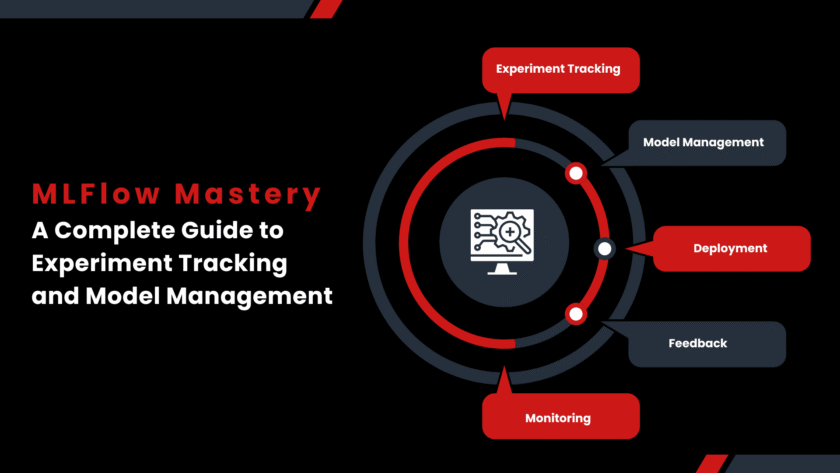
Image by Editor (Kanwal Mehreen) | Canva
Machine learning projects involve many steps. Keeping track of experiments and models can be hard. MLFlow is a tool that makes this easier. It helps you track, manage, and deploy models. Teams can work together better with MLFlow. It keeps everything organized and simple. In this article,…

Image by Author
Introduction
Apache Cassandra is a distributed, open-source NoSQL database system designed to manage massive amounts of data across multiple servers to ensure high availability and performance. It is known for its horizontal scalability in Applications where reliability, speed, and uptime are important. This guide will walk you through the process…

Image by Author
Claude Opus 4 is Anthropic's most advanced and powerful AI model to date, setting a new benchmark for coding, reasoning, and long-running tasks. It can autonomously handle complex, multi-hour tasks, maintaining focus and delivering exceptional results over thousands of steps.
In this tutorial, we will learn how to use Claude Opus…
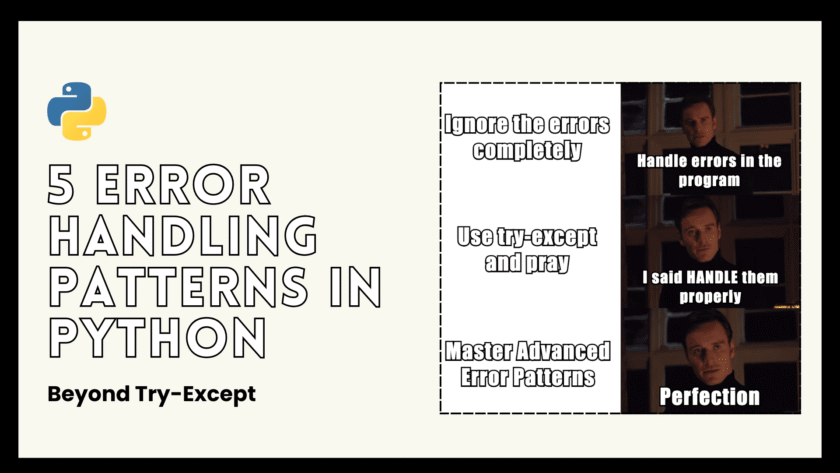
Image by Author | Canva
When it comes to error handling, the first thing we usually learn is how to use try-except blocks. But is that really enough as our codebase grows more complex? I believe not. Relying solely on try-except can lead to repetitive, cluttered, and hard-to-maintain code.
In this article, I’ll…

Image by Editor | Ideogram
An organization's data teams often encounter complex projects with a variety of resources and structures scattered around. As the number of projects and team members increases, the information becomes more tangled and increasingly complex to manage. This is why we need to consolidate the information in a single platform.…
Image by Editor
Machine learning (ML) algorithms are key to building intelligent models that learn from data to solve a particular task, namely making predictions, classifications, detecting anomalies, and more. Optimizing ML models entails adjusting the data and the algorithms that lead to building such models, to achieve more accurate and efficient results, and…

Image by Author
In a previous article, I explained how AI is the skill of the future, with roles that command salaries up to $375,000 annually.
Large Language Models (LLMs) have become a central focus in AI, and almost every data-centric role now requires some foundational understanding of these algorithms.
Whether you’re a developer…

Image by freestockcenter on Freepik
With the emergence of large language models, prompt engineering has become an essential skill. Put simply, prompting involves how humans interact with machines. Engineering the prompt suggests an effective way to communicate the requirement so that the machines’ responses are contextual, relevant, and accurate.
The Framework
The…

Image by Pexels
Machine Learning (ML for short) is not just about making predictions. There are other unsupervised processes, among which clustering stands out. This article introduces clustering and cluster analysis, highlighting the potential of cluster analysis for segmenting, analyzing, and gaining insights from groups of similar data
What is Clustering?
In…